A Senior Job Title Does Not Protect You From a Layoff
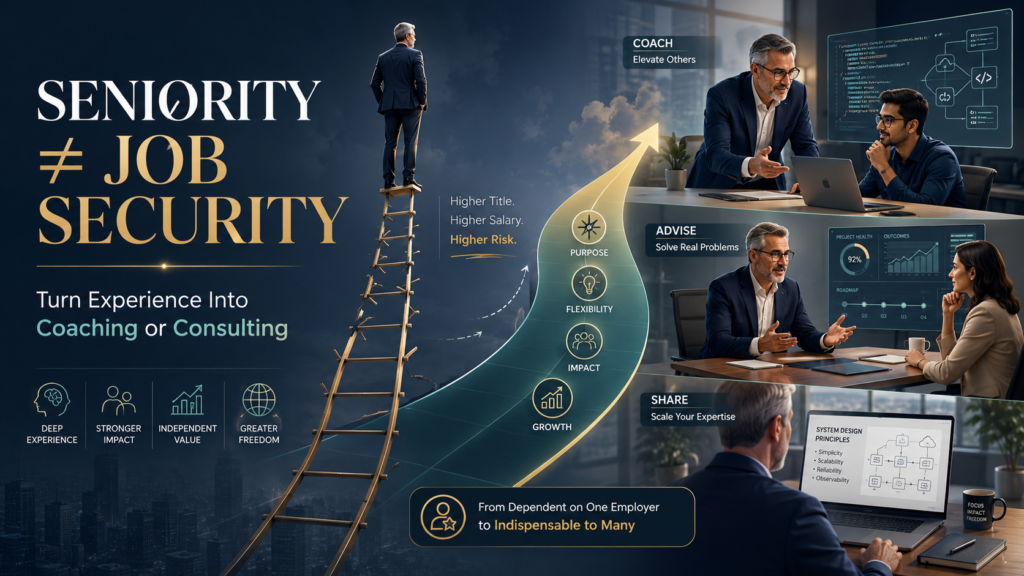
A senior job title does not protect you from a layoff. The more senior you are, the more responsibility you carry, the higher the stakes in your decisions, and the higher is your salary. You are among the few in the highest pay bracket, and that bracket is exactly what puts you at risk. This […]
You Don’t Need A Large Following To Get Clients From LinkedIn

In this post, I’ll walk through why your LinkedIn profile already works like a landing page, what worked when I used this approach myself, and the exact steps you can take to get your first coaching or consulting client- even if you’re a full-time 9-to-5 professional with almost no visibility right now. The Real Problem […]
I Tested Skool, Graphy, TagMango & Communi. Why I Finally Chose Communi for My Digital Economics Hub
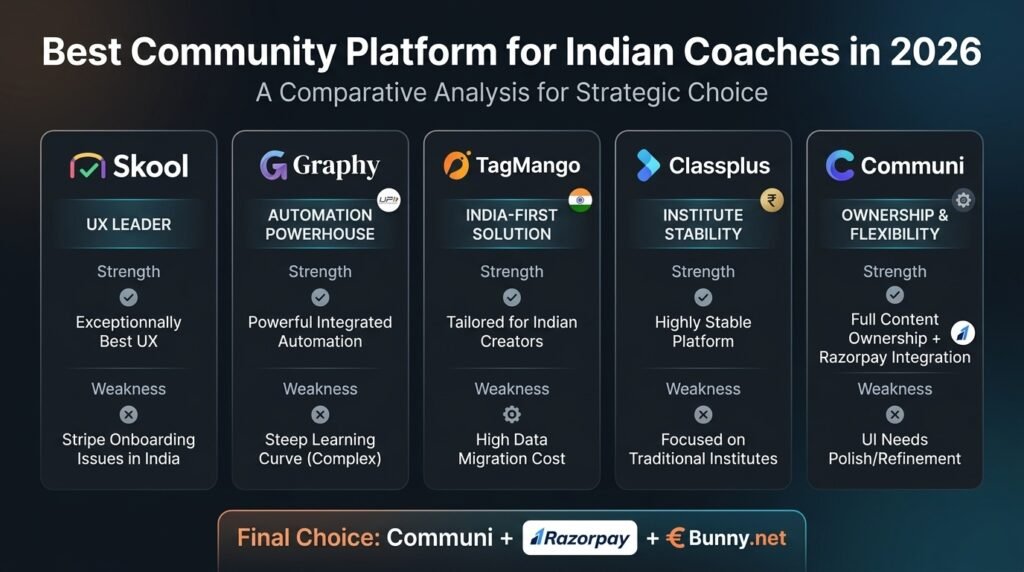
If you are an Indian coach or consultant trying to figure out which community platform to build on, this post is for you. I did not just research these platforms but actually used them. I have a live Skool community and a live Graphy-powered learning portal. I tested payments on all of them. I ran […]
Why I Read Neurostrategic Digital Authority Building And What It Changed in My Own Practice
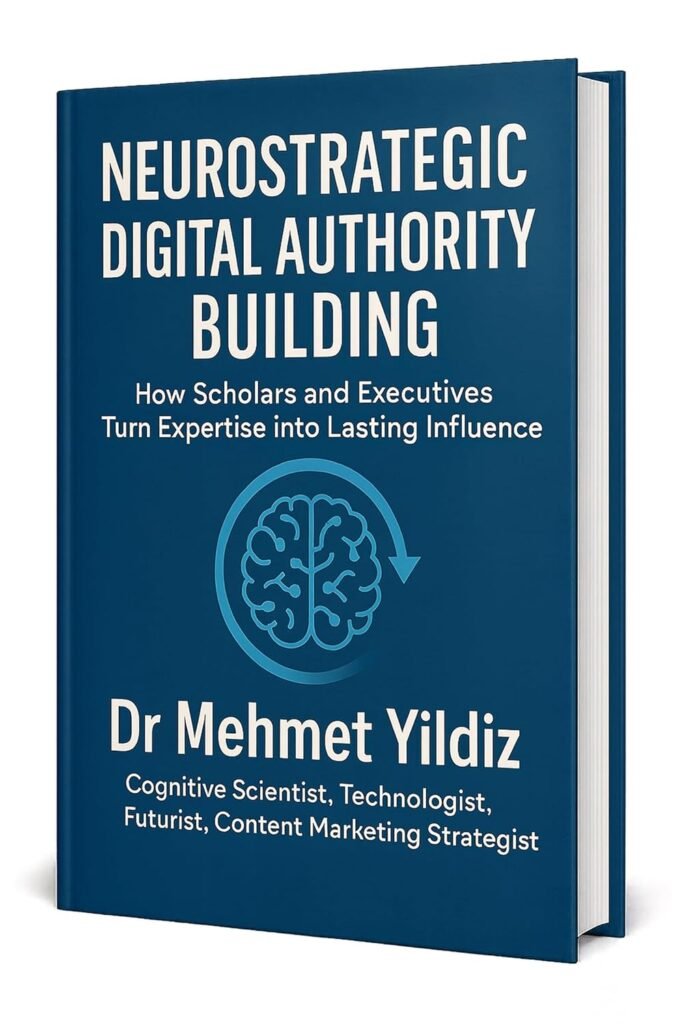
I preordered the Kindle edition of Neurostrategic Digital Authority Building: How Scholars and Business Executives Turn Expertise into Lasting Influence. The book’s overall idea excited me because it resonated with both scholars and executives. Also, the title “Digital Authority Building” couldn’t keep me away. Most books on “personal branding” or “thought leadership” deserve a single […]
The Second Income System for Mid-Career Professionals Who Don’t Want to Quit Their Job

After so many years of work, the biggest problem still exists. You are dependent on a single employer, a single job, and your expertise. You do not lack knowledge, but you lack a system to turn that knowledge into income. Since the beginning of your career, the organization has trained you to focus on one […]
Your Salary Is Not Security. Mine Wasn’t Either.

It was 31st December 2023, and one phone call changed everything for me in less than two minutes. My subordinate called me – He said: “Sir, haath mein kuch hai kya?” – “Sir, do you have anything in your hand?” I said: “Haath mein matlab?” – “What do you mean, ‘in hand’?” He said: “Matlab […]
Salary is not stability – It is dependency

The hidden risk most experienced professionals never see coming — and what I did about it over 18 months. Recently, I had a discussion with someone who worked with companies generating ₹100-₹200 crore in annual revenue. He is sharp and experienced. When he speaks in a boardroom, people listen. This is his situation within the […]
The Economic Trap of Single-Income Dependency

How Experienced Professionals Escape It Without Quitting Their Job) You’re not afraid of losing your job. You’re afraid of losing your salary. Your salary is deposited into your bank account on a specific date. Very much Predictable, reliable, and certain. You work for 30 days without thinking about it — and then it lands. With […]
Learning Is the New Procrastination: Why Skills Aren’t Increasing Your Income

You are neither lazy nor distracted. You have been learning, upgrading, and improving. Whatever certificates you pick, your income is not earned in proportion to the learning and effort. For you, learning has become a new procrastination. You were taught early in your career: 1. Take more courses. 2. Earn certifications 2. Add more credibility […]
Entrepreneurship Is Not Freedom. Income Optionality Is.

Entrepreneurship Is Not Freedom. Options Are. If I tell you that you do not want to be an entrepreneur, you will not accept it. You are working in a job, and you are ambitious to climb the corporate ladder. Your job is paying your bills, but after years of work, something has started to surface. […]
The Job You Can’t Afford to Lose Is Already Controlling You

You Are Hired for One Role — But Paid to Survive Two. You are hired for two jobs but paid for one. This will sound strange, but you are doing two jobs. The first job is the role you are officially hired for. The second job is protecting the first one. Demanding jobs and work […]
Monetization Is Not a Skill Problem. It’s an Economic Decision Now

On 31 December 2023, I received a call that reminded me how fragile ‘job security’ really is. The work with my organisation ended suddenly with a phone call. You follow a path: finish your education, join an organisation, work hard, and grow steadily. The process works for some time, and one day, suddenly, you are […]
The Hidden Cost of Job Dependency Most Professionals Ignore

Why prolonged confusion quietly destroys professional careers Confusion is not a lack of clarity. Confusion is prolonged ambiguity — and it is fatal over time. You go to the office and come back home. Monday to Friday, you are required to be in the office. The office that was giving you a cushion now feels […]
Stop Optimizing Your Income. Build Leverage Before You’re Forced To

Every month you are optimizing your Income. Either you are reducing your expenses or thinking of how to increase Income? If you are a mid career / Senior professional you are at biggest risk. You are vulnerable to one decision by your employer, company and your HR department. Optimising your expenses will help somewhat but […]
Fired On New Year Eve? My 4-Job Loss Escape Plan

It was 31st December 2023. It was Sunday afternoon, and I was out of the station. The phone rang, and the call was from the office. I got a message from my Junior, “Sir Bauji is saying ask Juneja ji not to come from tomorrow.” The assignment that started 3 months ago ended on New […]
The Silent Trap That Keeps Smart People Stuck

If you believe being analytical is your super power continue reading. In academia and corporate strategy, the ability to dissect a problem from every angle is what earns you a seat at the table. Welcome to Digital Economics era, where the same superpower can become your greatest liability. On Sunday, 7 December 2025, I fell […]
Stop Trading Time: How To Build Real Digital Freedom
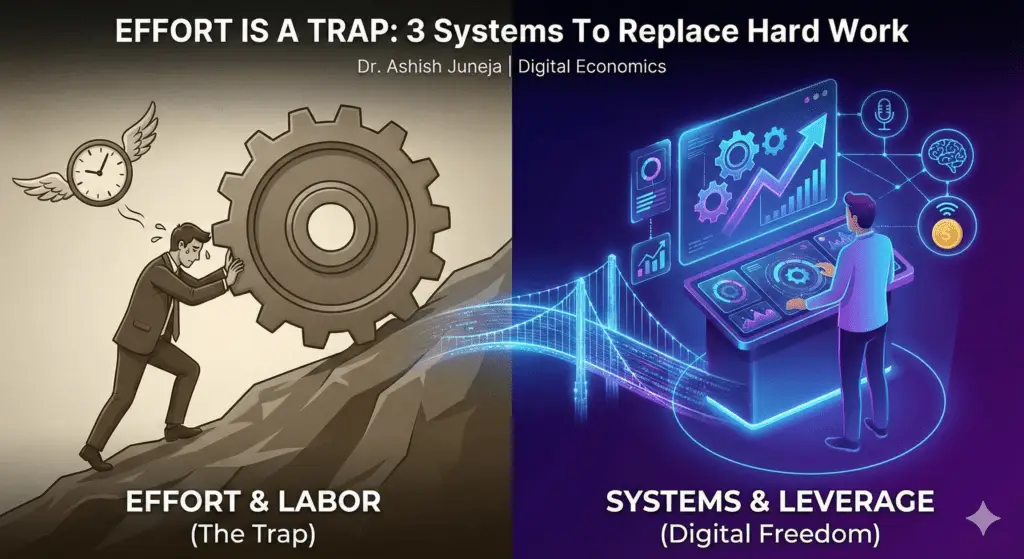
Go back to your old school days – you were taught that the more effort you put in, the better results you will have. You followed the same in your college and tried to follow the same in your job. Suddenly, one day, you realized some people are putting less effort, but they are paid […]
The Truth About Inconsistency: It Starts With Clarity

You are not lazy. You are Unclear Stop blaming yourself. If you’re inconsistent, it’s not a mindset issue. It’s a clarity issue. Most people think they need more motivation. But the truth? They don’t need motivation. They need a mirror. Recently, I got on a clarity call with a wellness coach earning ₹50,000–₹1,00,000/month. He wasn’t […]
The One Income Trap: Why It’s Silently Destroying Your Future

Over the last few years, I’ve spoken to hundreds of working professionals—engineers, designers, analysts, managers, teachers and others. All from different industries, different backgrounds and even different life stories. This is the story of every mid career professional Yet almost everyone tells me the same line: “I’ve spent 15–20 years learning everything… but I still […]
Why Most New Coaches Stay Broke — And How To Fix It
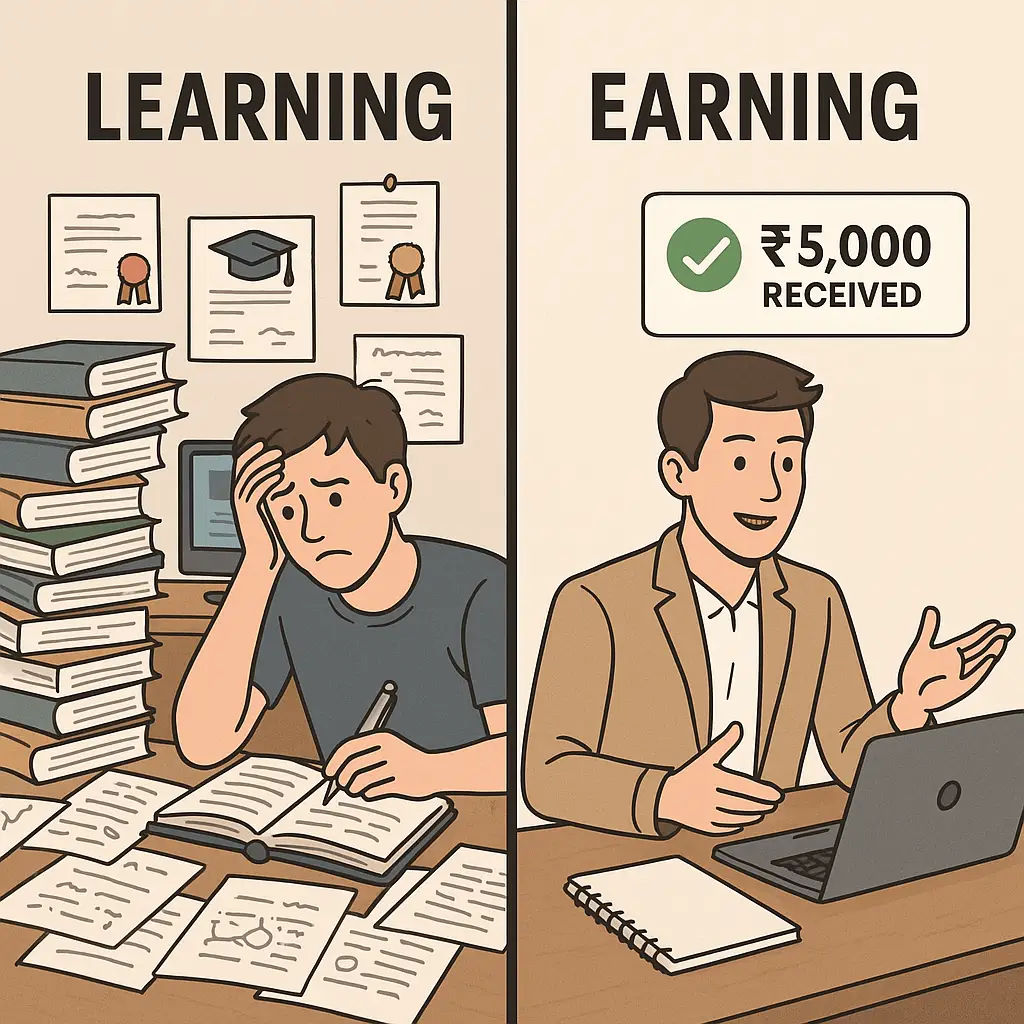
“I Want to Become Rich and Make People Happy”: The Harsh Truth Every New Coach Must Hear Learning is the new procrastinaiton. “I Want to Become Rich and Make People Happy” if these are your word change them immediately. Yesterday, a former assistant professor said something to me on a Zoom call that millions silently […]
Your Fear Is Real — But So Is Your Breakthrough: How One Decision Rewrites Your Entire Life

Your Fear Is Real — And It’s Not Your Enemy Most people misunderstand fear. They think fear means they’re not capable. They think fear means something is wrong. They think fear means they must push harder. Fear when you look closely it is not an obstacle. Fear is information. A whisper inside your mind saying: […]
Freedom Is Overrated: Why You Don’t Need “More Time” — You Need Better Systems

Freedom Isn’t the Answer. Systems Are. Very few people know where the freedom is. You are not stuck because you lack freedom. You are stuck because you lack a system. You keep telling yourself: “I want freedom from this job.”“I want freedom to live my life.”“I want to start something of my own.”“I want more […]
How To Escape The Beginner Trap That Kills Most Dreams

The Starting Point Paradox Everyone says, “Just start.” But no one tells you where — or how. So, you spend hours watching YouTube videos, collecting notes from courses, trying ten different tools… and still feel stuck. You believe you are learning alot but there is no progress. Sound familiar? That’s because you’re trapped in what […]
Lost My Job — Here’s What Changed My Life Forever

Imagine waking up to find your work, your schedule, and your sense of direction — gone overnight. That’s what happened to me. I’ll tell you what I did through every phase — and what you can do when life suddenly changes course. Recently, a 21-month project came to an end. And once again, I’m preparing […]
The Boring Habit That Transforms Your Online Growth

Starting is easy — staying consistent is tough. Most people keep searching for a new tool, a new trick, or a new hack. But the truth is simple: results come from doing the same thing over and over again. Think about your job. You work for 30 days, and you get paid next month — […]
The #1 Reason People Never Start — And How To Beat It

Most people don’t fail because they lack skills — they fail because they never start. Every other day you watch someone making money online and you wonder how. Either you appreciate or you condemn the creator. He/she got lucky. He/she is beautiful. She is a girl, so got lucky. I can bet one thing — […]
How To Grow Beyond Your Job Without Quitting It

Should You Change Your Job, Your Career, or Do Something Else? Many professionals hit a point where growth slows. The big question shows up: Should I change my job, switch careers, or try something different? Recently, I had a clarity call with someone from the automobile sector. He has spent 20+ years in production. Now, […]
The Freedom Shift

How I went from job loss to job freedom — and how you can too I lost my job not once, not twice — but three times in four years. Each time, I thought the problem was “opportunity.” It wasn’t. It was dependency. The day I stopped asking for permission and started building systems, everything […]
If You’ve Lost Everything… Here’s What You Really Have

If You Don’t Have Anything… What Do You Have? If you lose your employment what will you do? You money was coming from permanent employment or partial employment. If that’s gone, what are the options in front of you? What can you do so that you can build something? I always say one thing. My […]
Stuck in Your Job? Here’s the Real Escape Plan
Feeling Stuck in Your Job? You’re Not Alone You are confused. You want to take action, but right now you can’t. You’re in a job and thinking how to escape it, but you are not finding the escape plan. You’ve watched all the videos, done everything, but the right plan isn’t coming. You just feel […]
Why Your Dreams Aren’t Getting Fulfilled (And The Secret No One Tells You)
Have you thought about why your dreams are not getting fulfilled, no matter how hard you try? Let me tell you one thing: it’s not your fault. The truth is, you are not being given clarity. You started with a job, wanted to grow, but the people above you kept the real secrets. Your manager, […]
Why Online Courses Fail Most People (And How to Finally Get Results)

I attended many courses, coaching programs, training programs — but results didn’t come. If you are also facing this, this message is for you. You may be doing a 9–5 job, and after buying many courses and trainings you still feel stuck. It’s not your fault. The process shown to you often makes you believe […]
Why 99% of Creators Fail (And How to Finally Monetize Your Content)
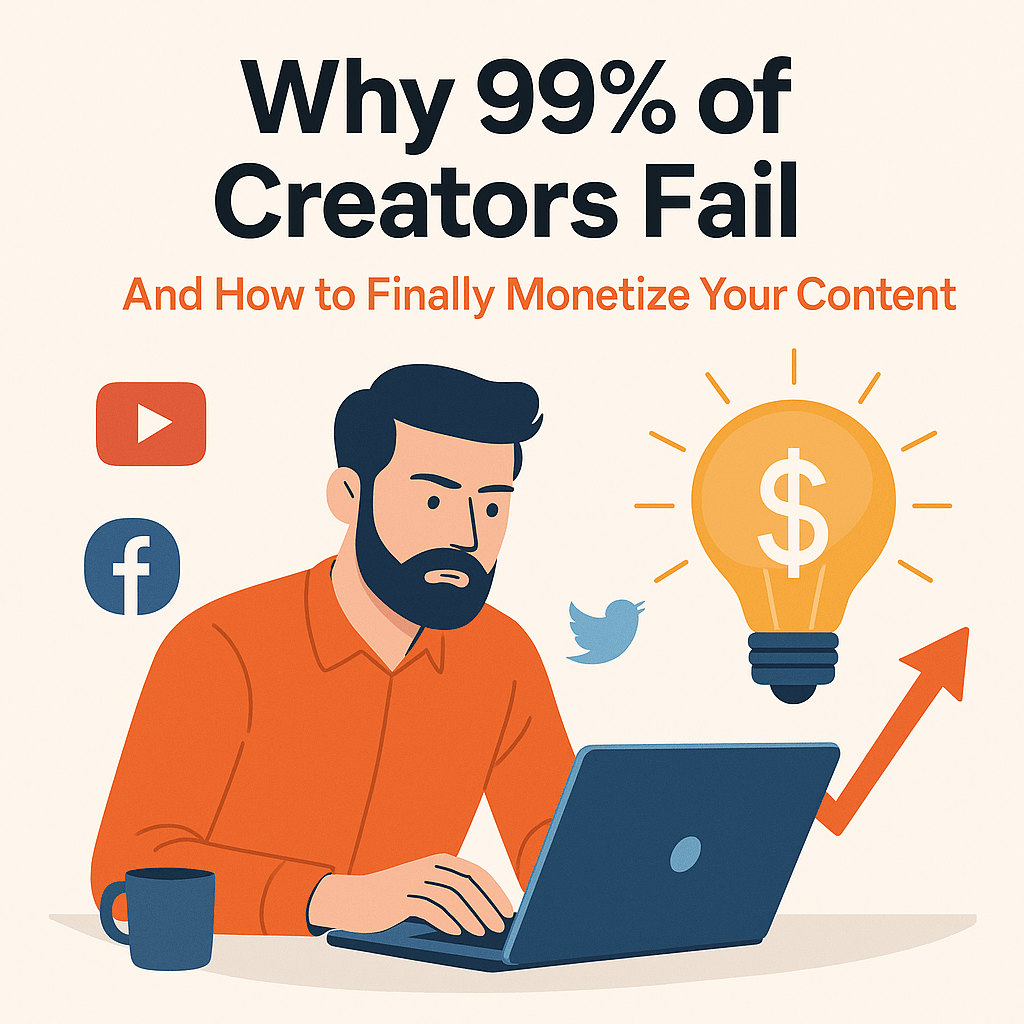
99% of the creators will fail because they don’t understand a concept called monetization. If you don’t understand how money will come, even if you create the content, you will not make money. If you are stuck in the same loop, this is for you. Even after creating content, money is not hitting your bank […]
The Digital Economics Of Community: Turning Trust Into Growth

Why is community important? From Transactions to Trust: The Rise of Digital Communities A few years ago, everything in digital marketing was transactional. For almost 12 years, digital marketing has been about transactions. But in the last three to four years—especially after Covid—we’ve seen a huge shift. A study by CMX Hub found that 91% […]
The Simple Way to Earn More When Your Income Isn’t Enough
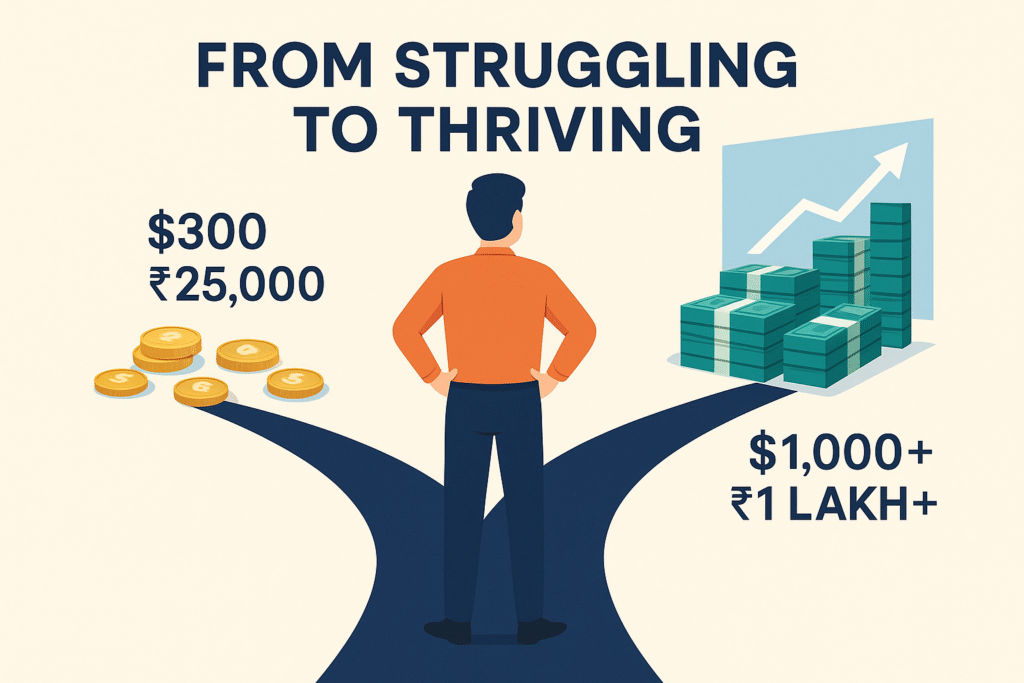
More than 90% of people in India earn less than ₹25,000 per month (around $300). Only 3–5% earn above ₹1 lakh (about $1,200). But this is not just India. Globally too, most people are stuck under $300–$500 a month, and only a few cross $1,000+. Still, you too can go from ₹1 lakh or $1,000 […]
Forget the Hype: Why Courses Alone Won’t Free You
The Harsh Truth About Coaching, Courses, and the Creator Economy Why Everyone Wants Freedom In today’s world, every job comes with pressure. Whether it’s a ₹50,000 job, a ₹1 lakh job, or a ₹1.5 lakh job, no job is stress-free. I often say there are now two jobs inside one: Because of this, people start […]
Content Creation Doesn’t Make Money (Here’s What Actually Does)

These are the lessons from my creator journey. if I had followed them from the start, would have made my growth much faster. The work would have been easier and results would have been better. I wouldn’t have faced the detours that slowed me down. How It All Started in 2017 My digital coaching and […]
The CASH Model: How Working Professionals Join the Top 2%

My Mission is to get you Getting You Into the Top 2% State Of World Earning Affairs There are only top 2 percent in India who are making money online and top 12% globally. This 2-4% of the online population making money online consistently. The CASH Model Solution What is the solution I have for […]
The Day Everything Went Wrong (And Why I Now Hope My Students Fail)
When Your Worst Day Becomes Your Best Teacher Few days ago I was conducting a LIVE digital Chai session that was scheduled at 9 AM sharp. Everything crashed. Internet failed. Technology completely gave up on me. Murphy’s Law in action: “Anything that can go wrong, will go wrong.” I had two choices: I chose to […]
Unlock Your Spot In The Elite 12% Of The $27T Digital Market
I’m sitting in my home office near Jim Corbett, and I realized something that blew my mind. I am helping people globally to monetize their expertise. They build their digital coaching business. Still, most of the world does not know how to make money online. This includes 88% of connected humans, who have no idea […]
How I Make $1,000-$3,000 Per Month Online (3 Proven Methods)
From my $5 AdSense failure to building a $2,000/month coaching business – here’s what actually works in 2025 If You Want to create $1,000 to $3,000 a Month, There Are Certain Methods. I’m going to tell you about three methods. But first, let’s understand what methods are actually working. Method 1: Getting Some Share of […]
The Lead Nurturing Masterclass: From Cold Prospects to Hot Buyers
Master the art of relationship-building in your coaching business with this proven 4-step framework Are you trying to sell to someone the moment they join your email list, a community, or a group? STOP RIGHT THERE! You’re making the biggest mistake of your business life. Prefer listening? Check out our podcast episode on Spotify below. […]
The 4 Client Levels You Must Identify First
When you are in a coaching and training space, you need to speak to a prospect. Most of the time, you need to have a one-on-one discussion. I have used the process myself and have been generating results. This process has helped me convert 4 out of every 10 prospects. When you are in a […]
Break Free from the 9-to-5: Build Extra Income and Personal Freedom Online
Go to the Office, come back home. Going to the office and coming back home had been the theory I had been playing for a long time. I’m sure you’re in the same boat. Every job demands time. Your time, focus, and energy are at stake on the job. Even after working 8-10 hours on […]
Fast-Track Your Wealth: Start A Profitable Side Hustle Today

Can you create a digital business at your current job? Can you use your evenings as the launchpad for the digital venture? Your evenings as the launchpad for the digital venture? This is with the security of your current job. Are you alone in this journey? Thousands are pursuing the journey. No Time, No Energy, […]
Not In Sales? Unlock The Astonishing Secret To Massive Success
You’re Not in Sales? Discover the Secret to Monetizing Your Skills and Building Wealth You are in a meeting and sharing a new idea. You are not sharing, you are selling a vision. Whether you like it or not you are selling yourself all the time. Jobs, dates, interviews, meetings. Every conversation, every interaction with […]
How Raj Transformed My Creative Journey – An Exclusive Look

This is the person whom I create for, and just one person. I do not think about a vague audience or anyone I do not know. I know only one person. I gave him the name and story. For me, that’s Raj Mehta. Every lesson, story, or product I build is for him. Earlier, I […]
The Ultimate Solution For Solopreneurs: Save Time, Stress, And Money Now
The Real Struggles of Starting and Growing a Business Online Starting anything needs money. And sometimes much more than you thought. Getting attention online is like shouting in a giant stadium where everyone is already shouting. When you finally get someone’s attention, you realize something painful. You don’t know how to sell the right way. […]
Stop Wasting Money: How Coaches Win More Clients With PLAI

Stop wasting money on high-priced ad agencies if you are a coach, trainer, or online marketer. You need a good marketing tool. You want to show your work to others, but you don’t want to spend much on big ad agencies. You are ready to use something that works well. It also saves time and […]
Transform Your Results: Smart Email Marketing Secrets Revealed

A Practical, Beginner-Friendly Guide to Building Your Email List and Mastering Email Marketing If someone had told you to build your email list if you are on a digital journey somewhere. You have been advised to do that, but you do not know how. This book is for you. The book by Dr Mehmet is […]